
The blood pressure facts your HR Policy is missing
Updated: Jun 9
There's a health risk affecting around a third of your employees right now.
Most of them have no idea.
And the chances are it's not on your wellbeing agenda.
It's not mental health. It's not nutrition. It's not steps challenges or meditation apps.
It's high blood pressure.
And it's quietly costing UK businesses around £29 billion a year while putting employees at serious risk of strokes, heart attacks, and even neurological conditions such as Alzheimer's and Dementia.
Why HR keeps missing this
Workplace wellbeing has evolved a lot over the last decade.
Mental health support, flexible working, healthy food in the canteen, lunchtime yoga: all important, all useful, all firmly on the typical HR roadmap.
But blood pressure has fallen through the cracks.
It's seen as a medical issue, not a wellbeing one. It's seen as something employees should deal with through their GP, not something employers should think about. And because the people most at risk often have no symptoms at all, the problem stays invisible. Until it isn't.
Here's what we mean by invisible: around 1 in 3 UK adults has high blood pressure, and half of them don't know it. That means in any office of 30 people, you could reasonably expect five colleagues are walking around with a serious, undiagnosed health condition.
People you sit next to in meetings.
People you've worked alongside for years.
3 things HR managers often get wrong
Here are 3 things that surprise most HR leaders we work with:
Younger employees are most at risk. The 16 - 35 age group has the highest rate of undiagnosed hypertension in the UK. Not the over-50s. Not the senior leadership team. Your graduate intake.
The cost is bigger than you think. Cardiovascular-related illness costs the average UK employer around £873 per employee, every year. For a team of 100, that's £87,300 leaking from the business that most HR directors have no visibility on.
Recovery isn't quick. Employees recovering from a stroke or major cardiovascular event are typically absent for 56 to 59 days. That's roughly three months of sick leave for a single incident, and one that often could have been prevented through earlier detection.
Those are three of ten facts we think every HR manager needs to know. We've put the rest, along with the practical "what HR can actually do" guidance, into a free guide.
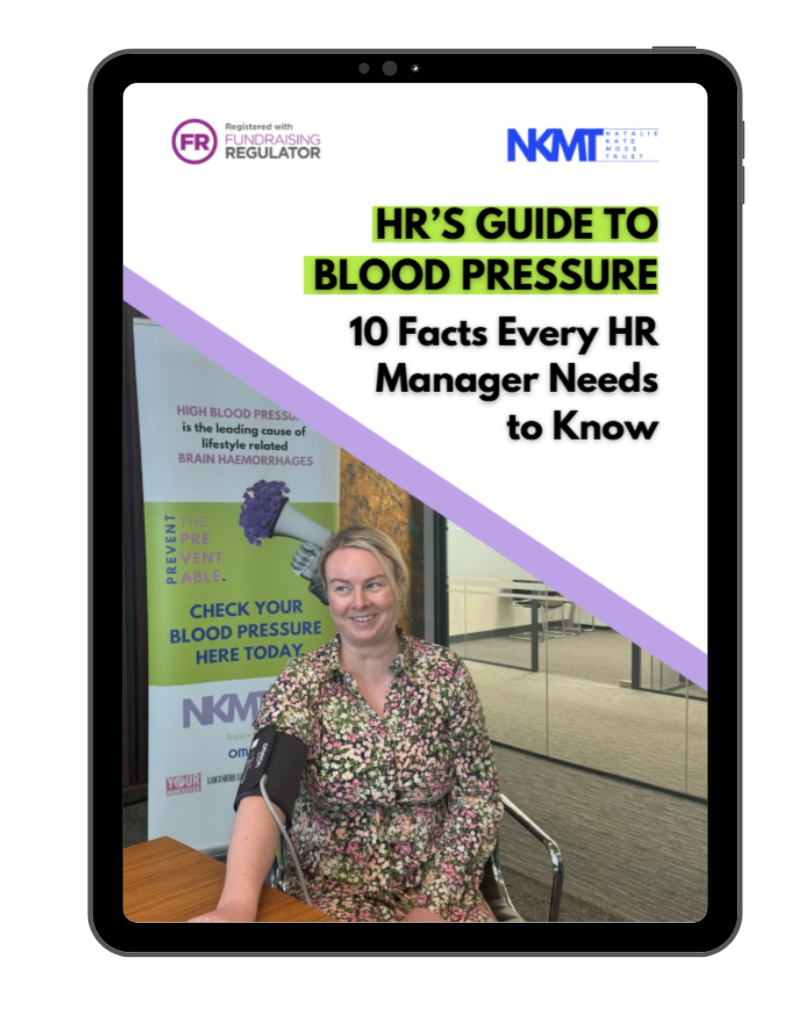
WHAT'S INSIDE
The HR's Guide to Blood Pressure:
10 facts every HR Manager needs to know
The hidden cost of undiagnosed hypertension at work
Why employees aged 16 to 35 are most at risk
What HR can do, practically, to support staff
The warning signs everyone in your team should know
Why this guide, and why now
We didn't write this for general readers.
We wrote it specifically for HR and People leaders, because the workplace is one of the few places where blood pressure can actually be caught early.
This is important not just to protect your employees but it makes financial sense too, which is why we created this free guide for HR managers.
People might skip GP appointments. They won't skip a free check at their desk.
It's evidence-based, takes 5 minutes to read, and gives you everything you need to start a meaningful internal conversation about blood pressure. No fluff, no jargon, no upselling.


