
Stroke Prevention Day: Why blood pressure matters more than you think
Every year, millions of people experience strokes without warning, with 1 in 4 adults over the age of 25, experiencing a stroke in their lifetime (Source: World Stroke Organization). One moment they're going about their day, the next their life changes completely. What makes this particularly devastating is that many of these strokes are preventable.
Stroke Prevention Day exists to remind us of this and to reinforce the important message that the choices we make today directly influence our stroke risk tomorrow. This isn't about creating fear. It's about understanding that you have more control than you might think, and that small, consistent actions can protect your brain in profound ways.
In this blog, we explain what happens during a stroke, why the first few hours matter desperately, the impact of high blood pressure and what you can do starting today to reduce your risk of a stroke.

What is Stroke Prevention Day and why does it matter?
Stroke is a leading cause of death and disability worldwide (Source: World Stroke Organization) and the impact it has extends beyond the individual to families, caregivers, and communities, who are all left to deal with the often devastating aftermath.
But, unlike many health conditions, a significant portion of strokes could be prevented through manageable lifestyle changes. Understanding risk factors (particularly high blood pressure) and taking action to manage them can dramatically reduce your risk of a stroke.
Stroke Prevention Day is observed globally to raise awareness of the condition and it's risk factors, the early warning signs of a stroke, and the lifestyle changes that can genuinely help to prevent strokes from happening in the first place. The purpose is simple, to remind people that strokes can affects anyone and any age, but small changes in lifestyle habits can help to prevent strokes from happening.
What happens during a Stroke or Brain Haemorrhage
There are two main types: An Ischemic Stroke happens when a blood clot blocks an artery, cutting off blood flow to the brain, while a Hemorrhagic Stroke (brain haemorrhage) occurs from a ruptured blood vessel bleeding into the brain tissue, both causing brain cell death from lack of oxygen.
Brain haemorrhages are particularly dangerous, with 4 in 10 patients who experience a haemorrhagic stroke not leaving hospital. When a blood vessel in your brain ruptures, blood spills into surrounding tissues, causing pressure and damaging brain cells. Blood vessels can rupture due to a variety of reasons (Read: What causes a brain haemorrhage); often, years of high blood pressure weaken blood vessel walls, developing weak spots, until, eventually, one of those weak spots gives way.
In your brain, that rupture can be catastrophic. This is why it is essential for stroke to be treated as quickly as possible from onset of symtpoms to minimise damage.
Understanding this demonstrates why prevention is vital to help save more lives and why managing blood pressure, the primary driver of vessel damage, is so critical.
Why the first few hours of a Stroke are so critical
As Chris Ashton, specialist stroke paramedic with 24 years of NHS experience, explains in our Prevent the Preventable podcast (S2EP4):
"We know that just less than 2 million neurons a minute die in an untreated stroke. That is why time is brain."
Medical professionals talk about the "golden hour" or critical window after stroke symptoms begin. During this time, interventions like clot busting drugs for ischemic stroke or surgical intervention for haemorrhagic stroke can significantly reduce damage and improve outcomes.
But this window is brief.
For many treatments, you have roughly 4 hours from symptom onset. After that, the risk of treatment causing additional damage increases, and the potential benefit decreases. Brain cells that have died cannot be revived.
"Firstly, we've got to prevent brain damage. We know that within intracerebral haemorrhage it involves bleeding in or around the brain. We also know that's going to naturally increase intracranial pressure and with that it will reduce the amount of oxygen that can get to the brain cells."
Chris identifies critical reasons why time matters. The pressure created by bleeding in haemorrhagic stroke compounds quickly. As blood accumulates in the confined space of your skull, it pushes against brain tissue, causing damage that spreads beyond the initial rupture site. Relieving this pressure quickly, often through surgery, can be lifesaving.
This is why recognising stroke symptoms immediately and calling emergency services without delay is so vital.
Every minute counts.
Waiting to see if symptoms resolve, attempting to sleep it off, trying to drive yourself to hospital, or hoping it's nothing wastes precious time that determines whether someone recovers or faces permanent disability.
The urgency of treatment makes prevention even more important.
High blood pressure and Stroke risk
High blood pressure, or hypertension, is the single most significant modifiable risk factor for stroke. Understanding this connection is fundamental to prevention.
What is hypertension?
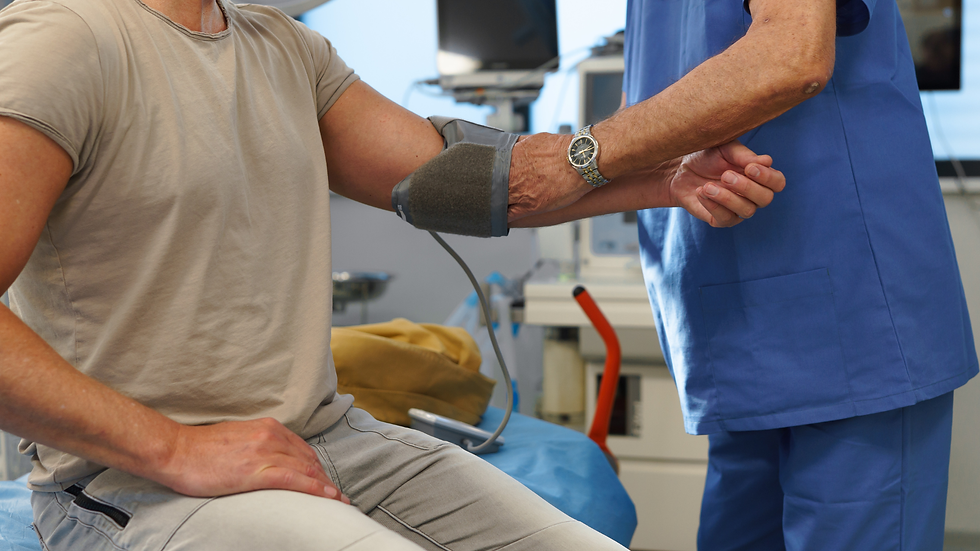
Blood pressure measures the force of blood pushing against artery walls as your heart pumps. It's expressed as two numbers: systolic pressure (the pressure when your heart beats) over diastolic pressure (the pressure when your heart rests between beats). Normal blood pressure is generally between 100/70 to 140/90mmHg.
Hypertension (high blood pressure) is diagnosed when blood pressure consistently measures over 140/90 mmHg. The elevated pressure forces your heart to work harder and puts excessive strain on blood vessels throughout your body, including the delicate vessels in your brain.
Over time, this constant excessive pressure damages vessel walls. They become less elastic, develop weak spots, and can narrow or rupture. In brain vessels, this damage dramatically increases stroke risk.
Why it's called a "Silent Risk"?
High blood pressure typically causes no symptoms and you can't feel it. Most people with hypertension have no idea anything is wrong until they measure their blood pressure or experience a complication like stroke, heart attack, or kidney damage, at which point it could be too late.
This is what makes hypertension so dangerous; it silently causes damage, quietly increasing stroke risk while you feel completely fine. By the time symptoms appear, significant damage might have often already occurred.
During our Awareness Days this month, we measured the blood pressure of 66 people. 38 individuals (58%) had high blood pressure. Over half of them were undiagnosed, walking around unaware that their stroke risk is increasing every day.
The only way to know your blood pressure is to measure it regularly.
That’s why blood pressure monitoring is a vital part of stroke prevention. Sign up to our Monthly Blood Pressure Reminders to help you stay on track, our tool is there to support you.
Common warning signs of a Stroke (FAST)
Recognising stroke symptoms immediately can be the difference between recovery and permanent disability or death.

The FAST acronym helps you remember what to look for:
Face: Ask the person to smile. Does one side of their face droop or appear numb?
Arms: Ask them to raise both arms. Does one arm drift downward or feel weak?
Speech: Ask them to repeat a simple sentence. Is their speech slurred, strange, difficult to understand, or can they not speak at all?
Time: If you observe any of these signs, call 999 immediately. Note the time symptoms began, as this information helps medical teams determine treatment options.
As Chris explains, there's actually a correct way to perform the FAST test that many people miss:
"People at times may think well just test the grip strength and that's testing their arms. But people can have a strong grip, but if you actually ask them to hold their arms at 90 degrees, could fail a FAST test because their arm could drift or slide, but they could still have a good grip."
Other warning signs can include sudden confusion, trouble seeing in one or both eyes, vomiting, difficulty walking, dizziness, loss of balance or coordination, or severe headache with no known cause. These symptoms might indicate a stroke in the posterior part of the brain that won't present as FAST positive.
Don't wait to see if symptoms improve.
Don't suggest the person rests or waits.
Don't drive them to hospital yourself.
Call 999.
Paramedics can begin treatment en route and alert the hospital so the stroke team is ready when you arrive, as paramedics know which hospital delivers stroke care, as not all local hospitals have hyper acute stroke facilities.
Every minute matters.
Fast recognition and fast response save lives and reduce disability.
How to reduce your risk of Stroke
Stroke prevention isn't complicated, but it does require consistent attention to several key areas.
Monitor your blood pressure
This is the single most important action you can take.
Get your blood pressure checked regularly, at least monthly if it's normal, more frequently if it's elevated or you have risk factors.
You can get your blood pressure checked at your GP, Local pharmacy or consider home monitoring. Home monitors are affordable, easy to use, and help you understand your blood pressure patterns over time.
If your blood pressure is elevated, work with your GP to bring it down through lifestyle changes, medication, or both. Even modest reductions in blood pressure significantly decrease stroke risk.
Adopt protective lifestyle habits
There are 5 lifestyle pillars (as we mention in our Brain Gym guide): sleep, stress management, nutrition, reducing alcohol and smoking, and regular exercise, that all directly influence blood pressure and stroke risk.
Reduce salt intake, as excess sodium raises blood pressure. Eat more fruits, vegetables, and whole foods. Maintain a healthy weight. Move your body regularly, even just 15 to 30 minutes of walking daily makes a difference.

Manage stress through breathing exercises, mindfulness, physical activity, or whatever works for you. Chronic stress elevates blood pressure and increases stroke risk.
Stop smoking if you smoke. Every cigarette damages blood vessels and raises stroke risk. Limit alcohol to recommended guidelines, no more than 14 units weekly spread across several days.
Get regular health checks
Beyond blood pressure, monitor other risk factors including cholesterol, blood sugar, and weight. Conditions like diabetes and atrial fibrillation increase stroke risk and need management.
See your GP for regular checkups, especially if you have family history of stroke, high blood pressure, or other risk factors. Early identification and management of problems prevents them from becoming catastrophic.
Stroke prevention starts with small, consistent actions
You don't need to overhaul your entire life overnight, you need to start somewhere and build from there.
Check your blood pressure. If you haven't had it measured recently, book an appointment or visit a pharmacy with a blood pressure monitor. This one action reveals whether you need to take further steps.
Choose one lifestyle change. Maybe it's adding a daily walk, reducing salt, improving sleep, or managing stress better.
Start there and build consistency.
Download the Brain Gym Guide for structured support across all five pillars affecting brain health and stroke risk. It includes reflection exercises, practical tips, and goal setting frameworks that make improvement manageable.
Remember that stroke prevention isn't about perfection. It's about healthy patterns maintained over time. Small improvements compound into significant risk reduction, which can help to prtecct your brain
Stay on track with Monthly Blood Pressure Reminders
One of the biggest challenges with blood pressure monitoring is remembering to do it regularly. We know that life gets busy, weeks pass and suddenly months (or even years) have gone by without measuring.
We offer free monthly blood pressure reminder emails to help you stay consistent.
These reminders create accountability without pressure. They're a simple tool supporting the consistent monitoring that reveals whether your prevention efforts are working or whether you need additional support.
Sign up for the monthly reminders today and commit to regular blood pressure monitoring.
It's one small action that could save your life.


